

custom logo mirrors
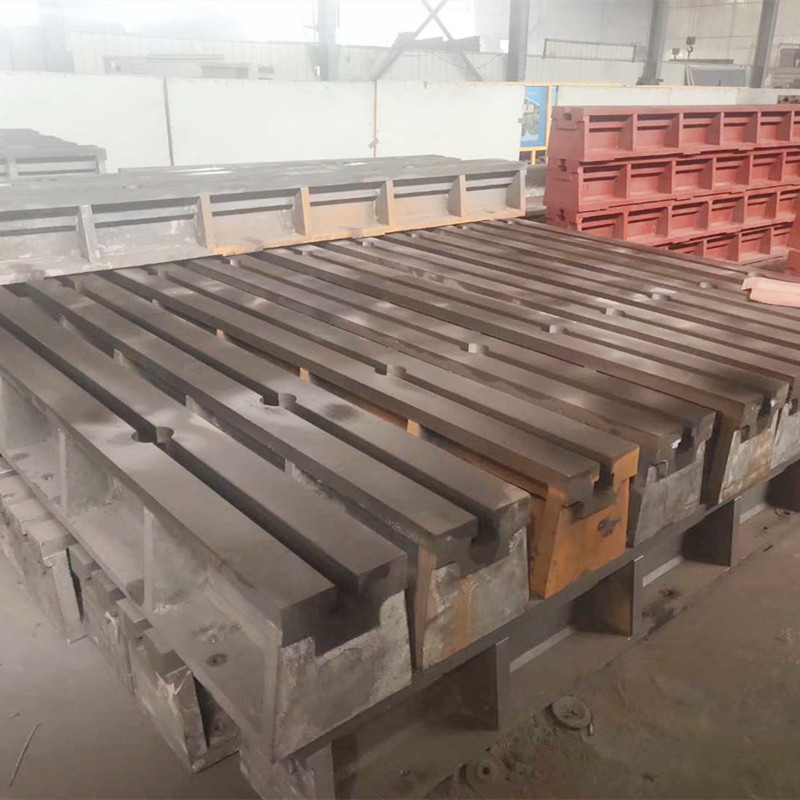
The use of three-dimensional flexible welding platforms for welding processes is the primary production process in the sedan manufacturing industry. The use of welding fixtures directly affects the power, accuracy, and quality of the welding process. Among many car manufacturers in China, specialized welding fixtures are generally used for welding, and 3D welding platforms are equipped for one or several specific welding processes. With the current trend of small batch and personalized production of sedans, the use of such fixtures is increasingly restricted. The shortcomings of long planned production cycles, large space occupation, and low reuse rates are fully exposed. This situation greatly restricts the progress of welding technology in China's sedan manufacturing industry and prolongs the cycle of new car models. The five surfaces of the three-dimensional flexible welding platform are machined with spaced holes and engraved with mesh lines. The holes are through holes without inclination or threads. Any workpiece on the flexible welding platform can be positioned and clamped using fixtures and locking pins. Several flexible welding platforms can be directly connected together on any five surfaces for splicing purposes. This modular system demonstrates its universal functionality in equipment, adjustment, and clamping of workpieces. Its advantage lies in completing the application of large workpieces. And the flexibility of the flexible welding platform here does not refer to its flexibility, on the contrary, its raw material hardness is good, and it has strong resistance to impact and is still useful. Simply put, its flexibility here refers to its versatility and versatility. Flexibility of 3D welding platform: The flexible 3D combination welding plate has high load-bearing capacity and stable rigidity. Its five surfaces are processed with regular holes and engraved with mesh lines. The welding platform can be easily extended and expanded, combined. The expanded standardized tabletop can be directly connected together for modular positioning and clamping. The universal function of the flexible 3D platform welding fixture system is vividly demonstrated in the process of equipment, adjustment, and positioning of workpieces, not in the application of large workpieces. There are various assembly methods, and users only need to unleash their imagination. The 3D workbench can achieve the same positioning and clamping functions as various specialized fixtures. Quick assembly and easy disassembly; The three-dimensional flexible welding platform workbench can be assembled and combined according to the shape and size of the workpiece. The scale on the countertop and the planning of module specifications allow operators to quickly set up the required tooling according to the workpiece specifications without the need for measuring tools.
about
custom logo mirrors
Calibrated Pin Gauges The Precision Tool for Dimensional Accuracy in Manufacturing In the realm of precision engineering and manufacturing, calibrated pin gauges occupy a pivotal position as an indispensable tool for ensuring dimensional accuracy. These seemingly simple yet meticulously crafted instruments play a crucial role in quality control processes by providing a reliable means of verifying and measuring internal dimensions such as holes, slots, and recesses. This article delves into the significance, construction, usage, and maintenance of calibrated pin gauges, underscoring their importance in maintaining the highest standards of manufacturing excellence. **Understanding Calibrated Pin Gauges** Calibrated pin gauges, also known as go/no-go gauges or simply pin gauges, are cylindrical or tapered metal rods, meticulously ground to precise diameters with tolerances as tight as a few microns. They serve as a reference standard for checking the size and straightness of drilled or machined holes. Each gauge is precisely calibrated against national or international measurement standards to guarantee absolute dimensional accuracy. The primary advantage of pin gauges lies in their simplicity. They come in sets, with each pin representing a specific dimension. In a 'go' gauge, the pin should easily slide into the hole, indicating that the hole is within the acceptable lower limit of the tolerance range. Conversely, a 'no-go' gauge should not enter the hole or do so only partially, signifying that the dimension exceeds the upper tolerance limit. This binary system provides an immediate pass/fail assessment, making it a swift and straightforward method for quality inspection. **Construction and Material** Calibrated pin gauges are typically fabricated from high-grade steel, chosen for its hardness, wear resistance, and stability under varying temperatures. Chromium-plating is often applied to enhance corrosion resistance and improve surface finish, ensuring consistent and reliable measurements over time. The ends of the pins may feature a slightly rounded tip to prevent damage to the part being inspected and facilitate smooth insertion The ends of the pins may feature a slightly rounded tip to prevent damage to the part being inspected and facilitate smooth insertion The ends of the pins may feature a slightly rounded tip to prevent damage to the part being inspected and facilitate smooth insertion The ends of the pins may feature a slightly rounded tip to prevent damage to the part being inspected and facilitate smooth insertion calibrated pin gauges . **Applications Across Industries** From aerospace to automotive, medical devices to microelectronics, calibrated pin gauges find application wherever micron-level accuracy is paramount. In the automotive industry, they ensure the correct fitment of engine components; in aerospace, they verify the precision of aircraft parts where safety is critical. Medical device manufacturers rely on them to maintain strict tolerances in implants and surgical instruments, while in semiconductor manufacturing, they contribute to the meticulous fabrication of minuscule components. **Maintenance and Calibration** Maintaining the accuracy of pin gauges is crucial to their effectiveness. Regular cleaning with a soft cloth and appropriate solvent prevents contamination and preserves surface integrity. Storage in a controlled environment, typically in a humidity-controlled cabinet, safeguards against dimensional changes due to temperature fluctuations. Periodic recalibration by accredited laboratories is mandatory to verify and restore the gauges' dimensional conformity, typically annually or after a set number of uses, depending on usage frequency and industry standards. **Conclusion** Calibrated pin gauges embody the essence of precision in modern manufacturing. Their role extends beyond mere measurement tools; they are guardians of quality, ensuring that products meet stringent tolerances and perform as intended. As technology advances and manufacturing tolerances become ever tighter, the reliance on these meticulously crafted instruments will only continue to grow. By embracing best practices in their use and maintenance, industries can harness the full potential of calibrated pin gauges, driving advancements in product quality and reliability. In the quest for perfection, these humble yet highly effective tools stand as a testament to human ingenuity and the relentless pursuit of precision.
-

High quality industrial productsagement

High quality industrial products
View Details -

Meet the diverse needs of customers

Meet the diverse needs of customers
View Details -

Strict quality control

Strict quality control
View Details -

Top raw materials

Top raw materials
View Details -

Trusted supplier

Trusted supplier
View Details
Our application


news and information
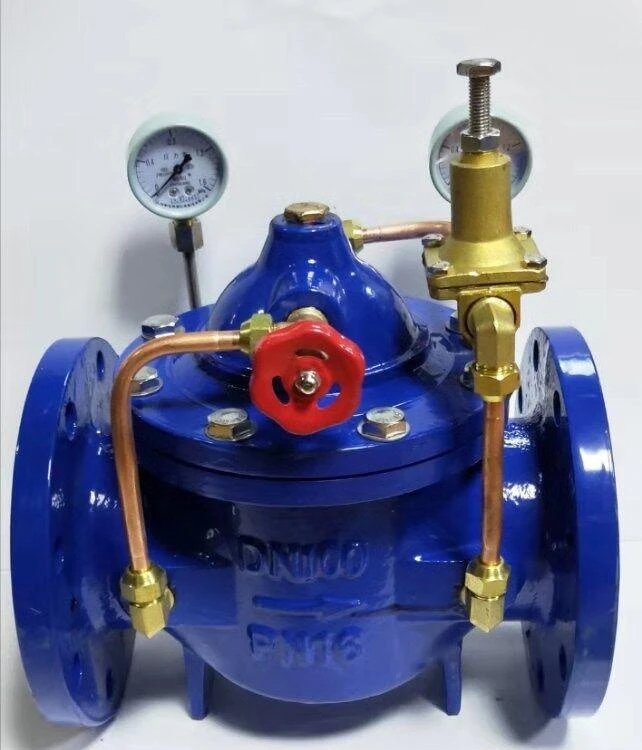
Van ngắt nước chính
Giá Trị và Vai Trò Của Van Khóa Nước Chính Trong Hệ Thống Cấp Nước Trong mỗi căn nhà hay công trình
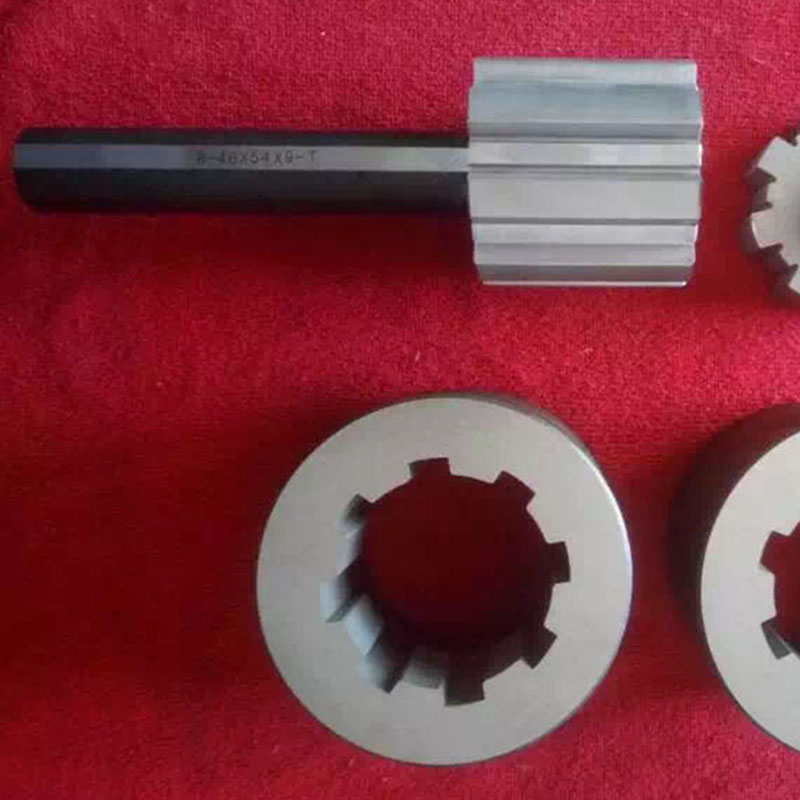
válvula de retenção do pistão
Válvula de Chegada com Pistão Um Componente Essencial na Indústria As válvulas de chegada, especialm
water hose check valve
Understanding the Importance of Water Hose Check Valves Water hose check valves are essential compon
 English